A cracked heat exchanger is one of the few furnace problems that's a genuine safety issue rather than just a comfort one. Here's how to recognize it, why it matters, and what your options are once it's confirmed.
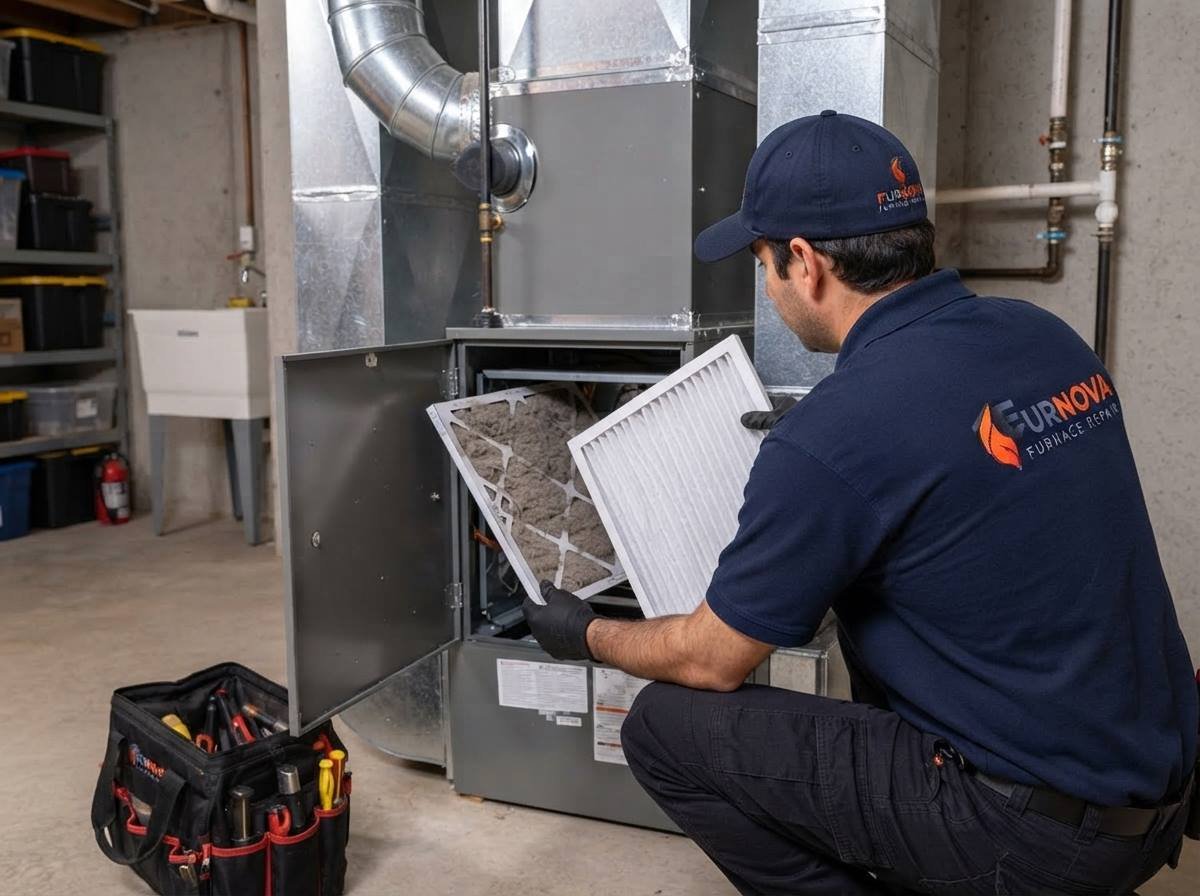
A cracked heat exchanger needs proper diagnostic equipment to confirm — not just a visual look.
What a Heat Exchanger Actually Does
The heat exchanger is the metal chamber that separates the burner flame and combustion gases from the air that circulates through your home. Air passes over the outside of it and picks up heat, while the exhaust stays sealed inside and vents outside through the flue. When it cracks, that separation breaks down.
Warning Signs of a Crack
A cracked exchanger often shows up as a yellow, flickering flame instead of a steady blue one, since the crack disrupts normal airflow around the burner. You might also notice soot buildup inside the cabinet, an unusual smell during heating cycles, or — most seriously — a carbon monoxide detector that starts alarming.
Why a Cracked Heat Exchanger Is Dangerous
Once the exchanger cracks, combustion byproducts, including carbon monoxide, can mix with the air being pushed through your ductwork instead of venting safely outside. Carbon monoxide is colorless and odorless, so a working detector, not your nose, is the reliable way to catch this.
How Technicians Confirm a Crack
Because cracks can be difficult to see with the naked eye, technicians typically use specialized cameras and combustion analyzers rather than relying on a visual inspection alone. Catching this early is one of the best reasons to keep up with annual furnace maintenance, since a technician checks the exchanger's condition at every visit rather than waiting for symptoms to appear.
Repair or Replace: How to Decide
In almost every case, a cracked heat exchanger means the furnace needs to be replaced rather than repaired. The exchanger is typically not sold as an isolated part for most residential furnaces, and even when it is, the labor to access and swap it often costs close to a new unit. If your furnace is older than 15 years, replacement is almost always the more practical choice.
What Happens If You Ignore It
Continuing to run a furnace with a confirmed cracked exchanger risks ongoing carbon monoxide exposure, which can cause symptoms ranging from headaches and fatigue to far more serious health effects with prolonged exposure. This isn't a repair to delay once it's been diagnosed.
Cracked Heat Exchanger: What to Expect by Furnace Age
Here's how the decision usually breaks down.
| Furnace Age | Recommended Action | Typical Cost |
|---|---|---|
| Under 10 years | Repair or replace exchanger if available | $500–$1,500 |
| 10–15 years | Usually replace the furnace | $3,500–$6,000+ |
| Over 15 years | Replace the furnace | $3,500–$6,000+ |
Furnova Furnace Repair, the area's expert service provider, uses combustion analyzers on every inspection involving a suspected cracked exchanger, so you get a confirmed answer, not a guess. If yours turns out to need replacing, our gas furnace specialists will walk you through sizing the right replacement.
A cracked heat exchanger isn't a sign you did anything wrong — it's simply metal fatigue from years of heating and cooling cycles. What matters most is catching it early and not continuing to run the system once it's confirmed.