Every furnace eventually reaches the end of its useful life, but the exact timeline depends on the unit, how well it's been maintained, and how hard it's had to work over the years. Here's what to expect and how to tell when yours is getting close.
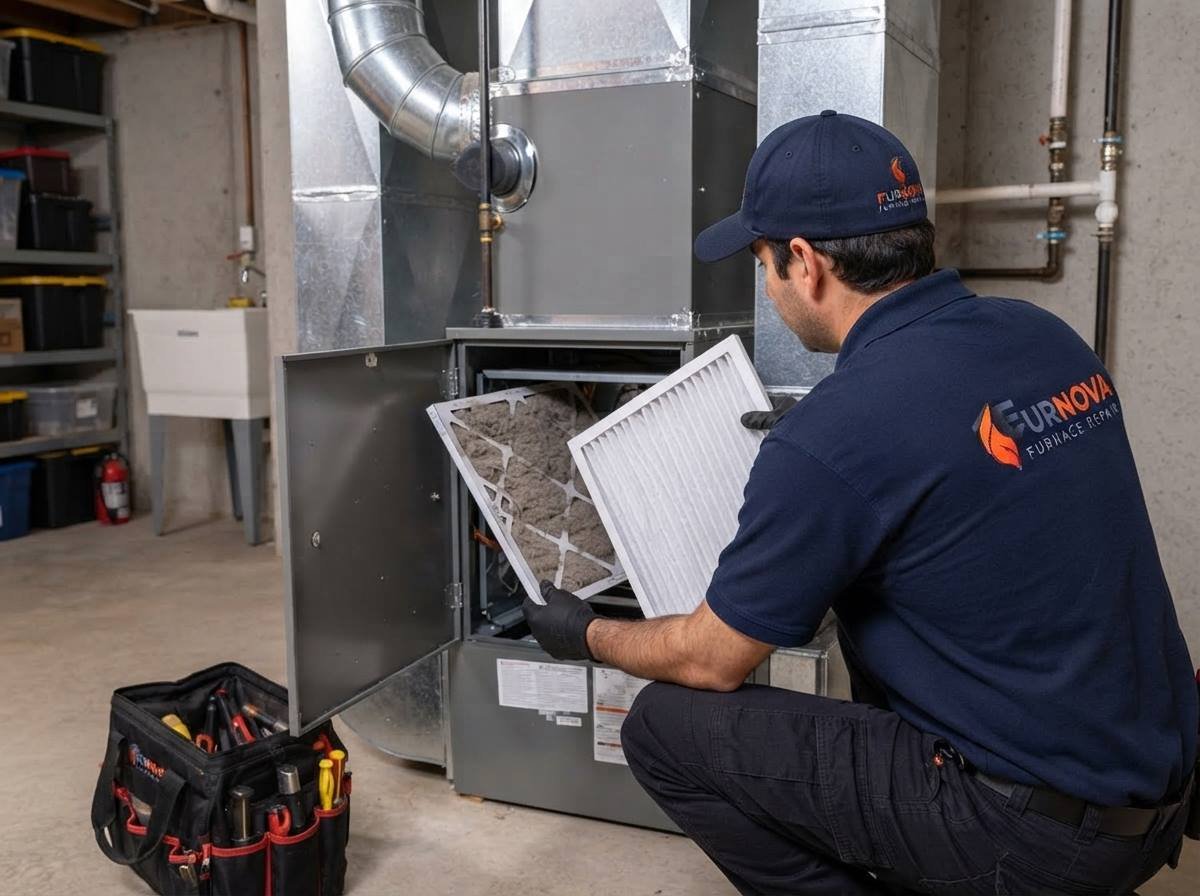
A well-maintained furnace typically lasts 15 to 20 years.
The Average Furnace Lifespan
Most gas furnaces last between 15 and 20 years, while electric furnaces often last slightly longer, since they have fewer moving parts exposed to combustion byproducts. That said, these numbers assume reasonably regular maintenance, not a furnace that's been left to run without attention.
Maintenance Makes a Real Difference
A furnace that gets annual maintenance tends to land at the higher end of its expected lifespan, while one that's neglected often shows problems well before the average timeline. Routine furnace maintenance and tune-ups catch small issues before they force components to work harder than they should.
Rising Energy Bills Are an Early Warning Sign
As furnaces age, their components lose efficiency gradually, so you may notice your energy bills climbing even without a change in your usage habits. This is often one of the first signs of a furnace nearing the end of its life, well before any dramatic failure occurs.
More Frequent Repairs Signal Overall Wear
If you find yourself calling for repairs more often than in previous years, that pattern is worth paying attention to on its own, separate from the cost of any individual repair. It usually means multiple components are aging together, not just one isolated part.
Uneven Heating Across Rooms
A furnace that once heated your home evenly but now leaves certain rooms noticeably colder may be struggling to maintain consistent output. While ductwork issues can also cause this, it's common in older systems that are losing overall capacity.
Unusual Noises or Flame Color
New rattles, bangs, or grinding sounds, or a burner flame that's turned yellow instead of steady blue, are both signs worth having checked. Either one can indicate a specific failing part, or simply general wear that comes with age.
Furnace Lifespan by Type
Here's a general guide, assuming reasonably regular maintenance.
| Furnace Type | Average Lifespan |
|---|---|
| Standard gas furnace | 15–20 years |
| High efficiency gas furnace | 15–20 years |
| Electric furnace | 20–30 years |
| Oil furnace | 15–25 years |
Furnova Furnace Repair, the area's expert service provider, can give you an honest read on where your furnace stands during any service visit, so you're never caught off guard by a major failure in the middle of winter.
A furnace nearing the end of its life doesn't necessarily fail all at once — it usually sends warning signs first. Paying attention to those signs gives you time to plan a replacement on your own schedule, rather than scrambling during a cold snap.